salakhalimunmountain.com – the rainforest does not rush. It breathes slowly, patiently, through layers of mist and moss, through roots that grip ancient volcanic soil, through rivers that have learned their paths over centuries. Here in Mount Salak and Mount Halimun, nature teaches a quiet lesson every day: moving slowly is not weakness. It is wisdom.
Slow travel is not a trend born from social media or modern fatigue. In Salak Halimun, it is simply the natural way to explore. To walk slowly beneath towering canopy trees, to pause when cicadas swell into a living chorus, to let damp air cling to your skin and remind you that you are inside a breathing ecosystem. This way of traveling does more than deepen your experience. It protects the planet that welcomes you.
Understanding Slow Travel in a Living Rainforest
Slow travel means choosing depth over distance. It means spending more time in fewer places, walking rather than rushing, listening rather than consuming. In the context of Halimun Salak National Park, slow travel aligns perfectly with how the forest functions.
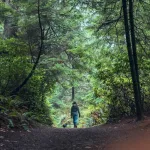
The rainforest here is dense and layered. Ferns unfurl beside muddy trails, tree roots twist like natural staircases, and waterfalls hide behind curtains of leaves. Moving slowly allows travelers to stay on established paths, reduce erosion, and minimize disturbance to fragile undergrowth.
Fast tourism pushes nature to perform. Slow travel allows nature to exist.
Less Movement Means Less Environmental Pressure
One of the simplest reasons slow travel is better for the planet is movement reduction. Fewer transfers, fewer vehicles, and fewer rushed itineraries mean lower emissions and less stress on natural landscapes.
In Salak Halimun, slow travel often looks like this:
• Trekking on foot instead of relying on motor access
• Staying multiple nights in one area rather than hopping locations
• Exploring nearby waterfalls and villages rather than chasing distant highlights
Each of these choices reduces fuel use and limits road expansion in protected forest zones. The forest remains quieter, wildlife remains less stressed, and the land is allowed to recover naturally.
Protecting Wildlife Through Presence, Not Pressure
Halimun Salak is home to some of Java’s most sensitive wildlife. Javan gibbons call across valleys at dawn. Leopard cats move silently through the undergrowth at night. Endemic birds depend on undisturbed nesting areas.
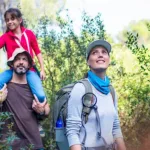
Slow travelers move in ways that wildlife can tolerate. Small groups, unhurried steps, and long pauses allow animals to observe humans without panic. There is no chasing, no loud excitement, no invasive behavior.
When you sit quietly beside a forest stream and notice dragonflies hovering above the water, you begin to understand that conservation is not about control. It is about coexistence.
Reducing Waste Through Conscious Choices
Fast tourism creates fast waste. Single use plastics, disposable packaging, and rushed consumption leave traces long after visitors leave.
Slow travel encourages responsibility. Travelers who stay longer tend to refill water bottles, eat locally prepared meals, and use resources more mindfully. In Salak Halimun, this often means:
• Drinking from refill stations or boiled spring water
• Eating seasonal foods prepared by local families
• Carrying trash out of the forest
These small actions collectively reduce the human footprint inside the national park.
Supporting Local Communities Instead of Extracting Value
Slow travel benefits not only the environment, but also the people who have lived alongside the forest for generations.
Villages surrounding Mount Salak and Mount Halimun rely on balanced relationships with nature. Farming cycles follow rainfall. Forest access follows traditional rules. Cultural rituals reflect respect for land and water.
When travelers slow down, they spend more time in these communities. They learn local stories, understand customs, and contribute economically without overwhelming local systems.
This type of tourism strengthens conservation because communities who benefit from responsible travel are more empowered to protect their environment.
Why Salak Halimun Is Perfect for Slow Travel
Not every destination supports slow travel naturally. Salak Halimun does.
The terrain is challenging enough to demand patience. Trails wind through thick jungle. Elevation changes encourage frequent rests. Weather shifts invite flexibility.
Waterfalls are not designed for quick visits. They reveal themselves gradually, after muddy climbs and quiet listening. Wildlife sightings reward stillness, not speed.
Here, slow travel is not an effort. It is the only way forward.
Slower Travel Creates Deeper Environmental Awareness
When travelers slow down, they begin to notice details that rushed visitors miss.
The smell of wet earth after rain. The way moss thickens on the shaded side of rocks. The rhythm of insects changing with light and temperature.
This awareness builds empathy. Empathy leads to protection. People protect what they understand.
Many visitors leave Salak Halimun with a new perspective on nature, one shaped by quiet moments rather than highlights lists.
Responsible Trekking as a Core Principle
Slow travel naturally encourages responsible trekking practices.
• Staying on designated trails to prevent habitat damage
• Avoiding wildlife interaction or feeding
• Respecting local guidance and park regulations
• Leaving no trace behind
These principles are essential in a rainforest ecosystem where recovery takes time and disruption spreads easily.
A Planet That Benefits From Fewer Footprints
The planet does not need more visitors. It needs better ones.
Slow travel reduces noise, waste, emissions, and habitat stress. It replaces consumption with connection and speed with awareness.
In Salak Halimun, every slow step helps preserve ancient trees, clean rivers, and wildlife corridors that extend far beyond human lifetimes.
Learning From the Forest Itself
The forest never rushes sunrise. It never forces growth. Everything unfolds in its own time.
When travelers adapt to this rhythm, they become part of the landscape rather than a disruption to it.
Slow travel is not about doing less. It is about doing what matters.
As you walk beneath dripping leaves and hear the distant echo of a waterfall, the lesson becomes clear. Protecting the planet begins with how we choose to move through it.
So, if you’re ready to explore the wonders of Mount Salak Halimun, head over to our ONLINE BOOKING PAGE and let’s start planning your adventure. Or simply CLICK THIS LINK to chat with us on WhatsApp.
With our team, you’re not just getting a guide; you’re gaining a local friend who will ensure your trip is nothing short of extraordinary.